
Choline: The Pregnancy Nutrient You've Probably Never Heard Of
Have you heard of choline? Do you know how incredibly important it is during pregnancy?
I wouldn't be surprised if you haven't. Most doctors don't mention it. A lot of nutritionists & naturopaths don't either. And here's the really wild part - up to 95% of pregnant women aren't getting enough of it.
Let that sink in for a second. We're talking about a nutrient that's just as important as folate for preventing neural tube defects, and almost nobody is meeting the requirements.
Why choline is such a big deal
Here's some of the incredible things choline does during pregnancy:
It helps prevent neural tube defects - and this is independent of folate. So even if your folate levels are perfect, low choline can still increase your risk. One study found that women with the lowest choline intake had a 4-fold greater risk of having a baby with a neural tube defect compared to women with the highest intake.
It's critical for your baby's brain development - and not just during pregnancy. Choline influences brain development all the way up to four years of age, particularly for learning and memory. The formation of key brain connections happens at a high rate through the fourth year of life!
It affects your baby's stress response for life - this one blew my mind! Research shows that mothers consuming 930mg of choline daily gave birth to babies with 33% lower cortisol levels compared to those taking 480mg. Their babies had a less reactive stress response - benefits that appear to last into childhood.
It supports placental function - choline is needed for transporting nutrients across the placenta and may even reduce the risk of preeclampsia.
If all of that isn't enough to convince you that you need to get enough choline, this fact will surely change that: The amniotic fluid surrounding your baby contains 10 times the level of choline found in your blood. Your body is concentrating it there because your baby needs it that much!
How much do you actually need?
The Australian RDI is 440mg during pregnancy and 550mg while breastfeeding. But, because our government is so competent (jokes) …that recommendation is based on preventing liver damage in men, not on optimal outcomes for pregnant women. (I know, right?!)
Research on actual pregnant women shows that 930mg daily has significant benefits for fetal development, cognitive function, and placental health. A follow-up study found that at age 7, children whose mothers took 930mg during pregnancy had better sustained attention - regardless of their own choline intake during childhood. What mum ate during pregnancy still mattered years later!
So while 440mg is the "official" minimum, I'd encourage you to aim higher if you can.
If you have an MTHFR variant
If you have an MTHFR gene mutation (like me and my husband - and we have two beautiful children, so please don't panic if this is you!), your choline needs are even higher.
Research suggests women with MTHFR variants benefit from intakes exceeding current recommendations. Chris Masterjohn PhD recommends 900-1200mg daily for those with this mutation.
This is one of the reasons vegetarian or vegan pregnancies combined with an MTHFR variant need extra attention. Please work with a health professional to make sure your needs are being met – your baby is depending on this.
Which foods are highest in choline?
Lots of foods contain some choline, but it's most concentrated in animal products - particularly egg yolks and liver.
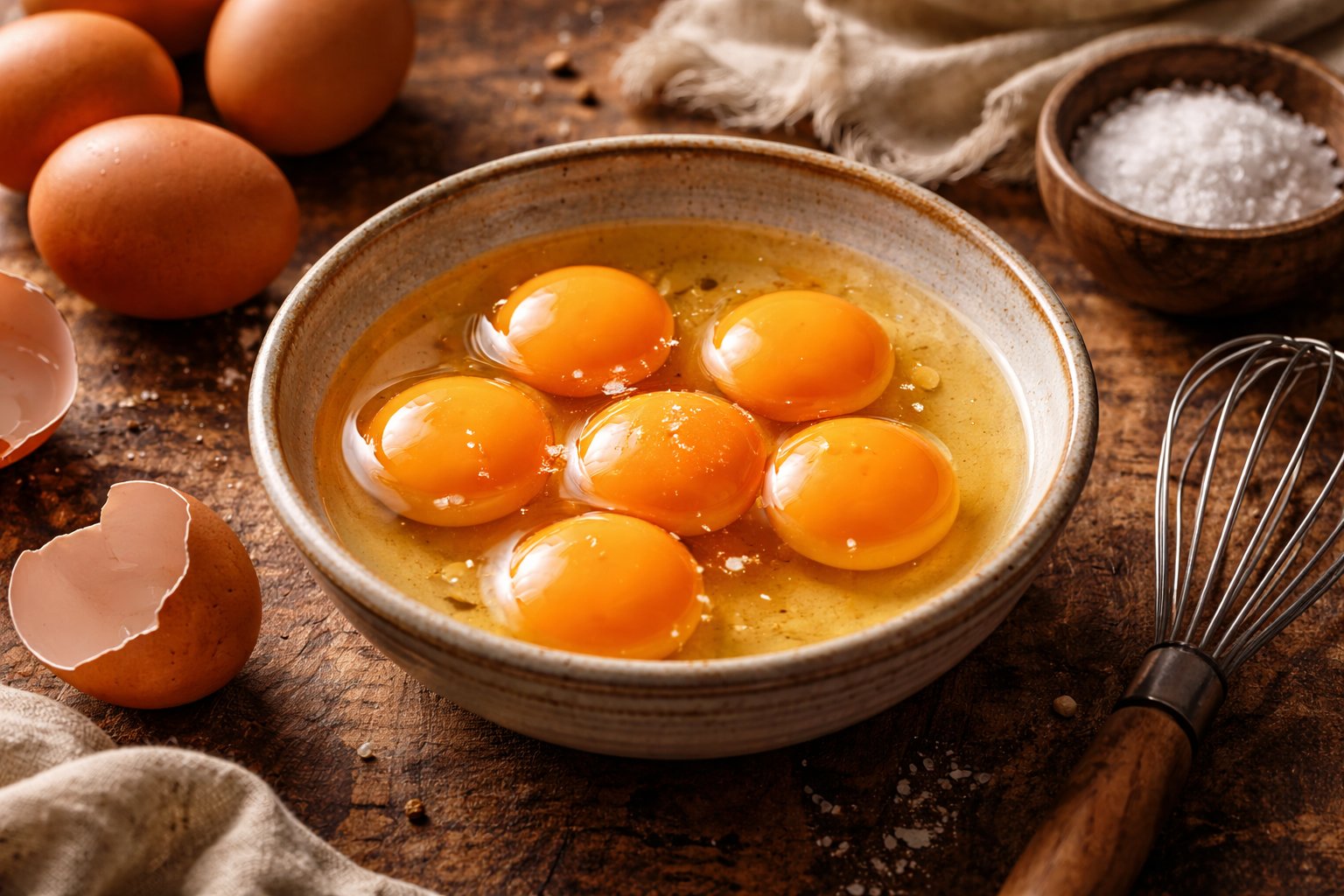
One large egg yolk contains around 140mg of choline. So eating 3 eggs at breakfast gives you almost half your daily needs!
To put this in perspective: you'd need almost 4 cups of broccoli or over 3 cups of tofu to get the same amount of choline as one egg yolk. This is why I'm such a big advocate for including eggs and organ meats during pregnancy - they make hitting your targets so much easier.
What about breastfeeding?
This bit is really important. If you're deficient in choline while breastfeeding, your baby will only receive about 56% of the choline they need from your milk. Your intake directly affects what your baby gets.
Supplementing with choline
If you're not eating eggs or liver regularly (or you're vegetarian/vegan), you should consider a choline supplement. I'm a HUGE advocate of food first for reasons I won't go into here (see The MAMA Diet for more info) and think supplements have downsides, but if you aren't even close to eating what's needed, supplements might be a good option.
The two most common forms are phosphatidylcholine (PC) and choline bitartrate. Both are well-studied. If your choline comes from lecithin (it's food based), make sure it's GMO free (soy will often be GMO).
Although we can make small amounts of choline in our bodies, it's not enough to prevent deficiency - especially during pregnancy when demands are so high.
A note on gut health
Here's something most people don't know: new research suggests that gut dysbiosis and SIBO can interfere with choline absorption. Certain gut bacteria can actually compete with your cells for choline. So if you have gut issues, addressing them during preconception is really worthwhile - otherwise you might not be absorbing all the choline you're eating.
The bottom line
Choline is genuinely one of the most underrated nutrients in pregnancy. It's essential for preventing neural tube defects, for your baby's brain development, for their stress response, and for healthy placental function. And yet almost nobody is getting enough.
The good news? It's not hard to fix. Eggs and liver are your best friends here. And if those aren't part of your diet (they should be wink wink), a quality supplement can fill the gap.
This is exactly the kind of overlooked-but-critical information we cover in The MAMA Diet - helping you understand which nutrients actually matter and how to get them from real food. If you want done-for-you meal plans that take the guesswork out of pregnancy nutrition, check out the program here.
Want to learn more about nourishing your pregnancy with real food?
Explore The MAMA Diet