
Folate vs Folic Acid: What Every Pregnant Woman Needs to Know
Ok so here's something that might surprise you - I don't recommend folic acid.
Yep, I know - you've been told your whole life to take folic acid when you're trying to conceive. It's one of the first things everyone says, right? "Are you taking your folic acid?"
But here's the thing nobody tells you: folate and folic acid are actually two completely different things. And that difference? It really matters.
Let me explain.
So what's the difference?
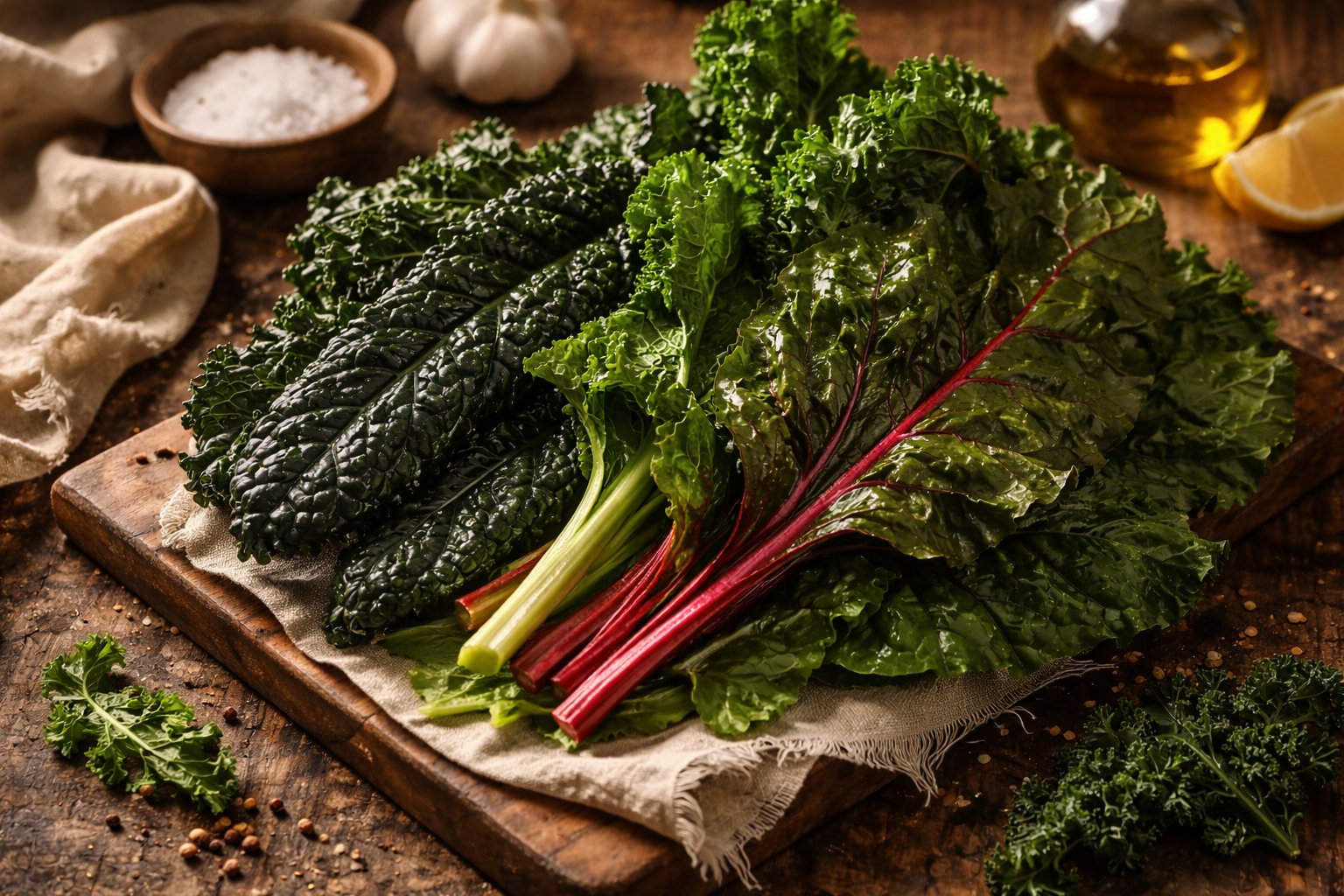
Folate is the natural form of vitamin B9. It's found in real foods - leafy greens, liver, legumes and because of that, your body knows how to process it perfectly. Would you believe there are actually over 150 types of folate found in nature?!
Folic acid is the synthetic version, made in a laboratory. It doesn't exist anywhere in nature. It was invented so they could fortify foods cheaply and make inexpensive supplements.
And here's where it gets interesting - your body processes these two forms completely differently.
Why does folate matter so much anyway?
You probably already know this bit, but folate is absolutely critical in those earliest weeks of pregnancy - we're talking before you even know you're pregnant. It's needed for your baby's DNA, for proper cell division, for the placenta to develop properly.
When folate is low, things like spina bifida can occur in babies – it's when the neural tube fails to close completely, leaving a gap in the protective vertebrae of the baby's. It's as awful as it sounds and that's why everyone bangs on about folate so much. It's also why starting 'supplementation' before you conceive is so important.
No arguments there. You definitely need enough folate.
The question is - what form?
Here's where folic acid becomes a problem
When you eat folate from food, your body just... handles it. Your small intestine converts it to the active form and off it goes. Easy.
Folic acid? Very different story! It has to go through your liver first, where an enzyme works to convert it. But that enzyme has a limit - about 250mcg. Anything more than that and the folic acid just... doesn't get converted. It ends up floating around your bloodstream in its synthetic form, unconverted and unusable.
And this isn't just theory. Researchers have found unmetabolised folic acid in umbilical cord blood. In newborn babies! One Canadian study found it in over 90% of mothers and babies tested.
So if you're taking folic acid to help your baby, it's very likely to show up unconverted in your baby's blood.
It gets worse (sorry)
Here's the really frustrating part. Folic acid actually binds to your folate receptors MORE easily than real folate does. But then it just... sits there. It can't be used properly. So it's basically blocking the spots where real folate should go.
This creates what's called a functional folate deficiency. Your blood tests come back fine - "your folate levels look great!" - but the folate isn't actually getting into your cells where you (and your baby) need it.
Oh, and folic acid can't even cross the placenta until it's converted first. So there's a bottleneck there too.
What about MTHFR?
You might have heard of the MTHFR gene variant - around 30-50% of people have it and it reduces your ability to convert folic acid. If that's you, folic acid is definitely not your friend. (Side note - Both me and my husband tested positive to this and we have 2 beautiful children so don't panic if you have this).
But here's what really surprised me when I looked into the research: even people WITHOUT the MTHFR variant are affected by high folic acid intake. It actually slows down the enzyme function in everyone, creating what researchers called a "pseudo-MTHFR deficiency."
So the more folic acid you take, the worse your body gets at processing real folate. Wild, right?
You're probably eating it without realising
Quick heads up - since 2009, Australia has required folic acid fortification in all wheat flour. So unless you're buying organic bread, you're already consuming folic acid. Add a supplement on top and you're easily over that 250mcg threshold.
So what should you do instead?
First: eat folate-rich foods. Your body knows exactly what to do with them, and you literally cannot overdo it from food sources. Real food always wins.
The Australian RDI during pregnancy is 600mcg (500mcg while breastfeeding). If you have an MTHFR variant, aim for 800mcg.
Here's where to find it:
See how liver well and truly sits above everything else? Traditional cultures knew what they were doing when they fed organ meats to pregnant women! If liver isn't your thing (yet – wink wink), try hiding it in bolognese or hamburgers - you honestly can't taste it.
Second: if you take a supplement, read the label.
Look for: methylfolate, 5-MTHF, or L-methyltetrahydrofolate
Avoid: folic acid (folinic acid is also fine but read carefully as they look very similar!)
Yes, quality methylfolate costs more. That's why most cheap prenatals use folic acid.
Quick questions answered
When do I start? At least 3 months before trying to conceive. 6 months if you've recently come off hormonal birth control.
When do I stop? Keep going through pregnancy and at least 6-12 weeks postpartum, or while you're breastfeeding.
Can I have too much from food? Nope! Your body doesn't store excess food-derived folate and FOOD is my number one recommended way of obtaining your folate. Even methylfolate supplements are made in a lab, which is why food is always my first recommendation (you can learn more about this in The MAMA Diet)
The bottom line
The "take your folic acid" advice comes from a good place. But it's an oversimplification and it steers us away from the natural way of getting this important nutrient – food! You absolutely need folate – but not the synthetic version that your body struggles to use.
Eating folate-rich foods and choosing methylfolate over folic acid is a simple switch that works with your body instead of against it.
This is exactly the kind of real-food-first approach we take in The MAMA Diet - evidence-based, practical pregnancy nutrition that actually makes sense. If you want meal plans that do the thinking for you, have a look at the program here.
Want to learn more about nourishing your pregnancy with real food?
Explore The MAMA Diet